The cultural district will host the return of Alserkal Art Week from 17 to 25 November, emphasising the importance of togetherness and connection.
At a time when optimism about the trajectory of the world is a little hard to come by, Alserkal Art Week has set out to emphasise the importance of togetherness and connection through its next edition, running from 17 to 25 November. Once again taking place at Alserkal Avenue, the art festival is centred around the theme ‘Acts of Presence’, translating to a weeklong programme spanning exhibitions, screenings, performances, open studios, symposia, workshops, and slow art walks designed to deepen dialogue and our collective sense of presence.
This year’s highlights include Made Present, a research exhibition featuring artworks – each a memory bearer and testament to survival – inviting viewers to stand with the narratives that defy attempts of erasure. There’s also new public art commissions encouraging visitors to slow down and rethink perceptions, as well as Majlis Talks, spotlighting creative leaders and voices from the African continent challenging dominant narratives. Here’s what we know so far.
Made Present: Research Exhibition
Curated by Faris Shomali and Zaina Zarour, Made Present: Biographies of Artworks Defying the Ongoing Nakba is a research exhibition that charts the journeys of survival of over ten Palestinian artworks through archival material and field notes. While the history of Palestine’s art is often depicted as one of loss, fragmentation, colonial plunder, and destruction, this exhibition will offer an alternative historiography — one in which these artworks defy attempts at erasure. Audiences can expect to discover the stories of artworks that have persevered, foregrounding the extensive history of artists who have gone to great lengths (sometimes risking their own lives) to ensure their works remain visible.
Walk With Me: Public Art Commissions
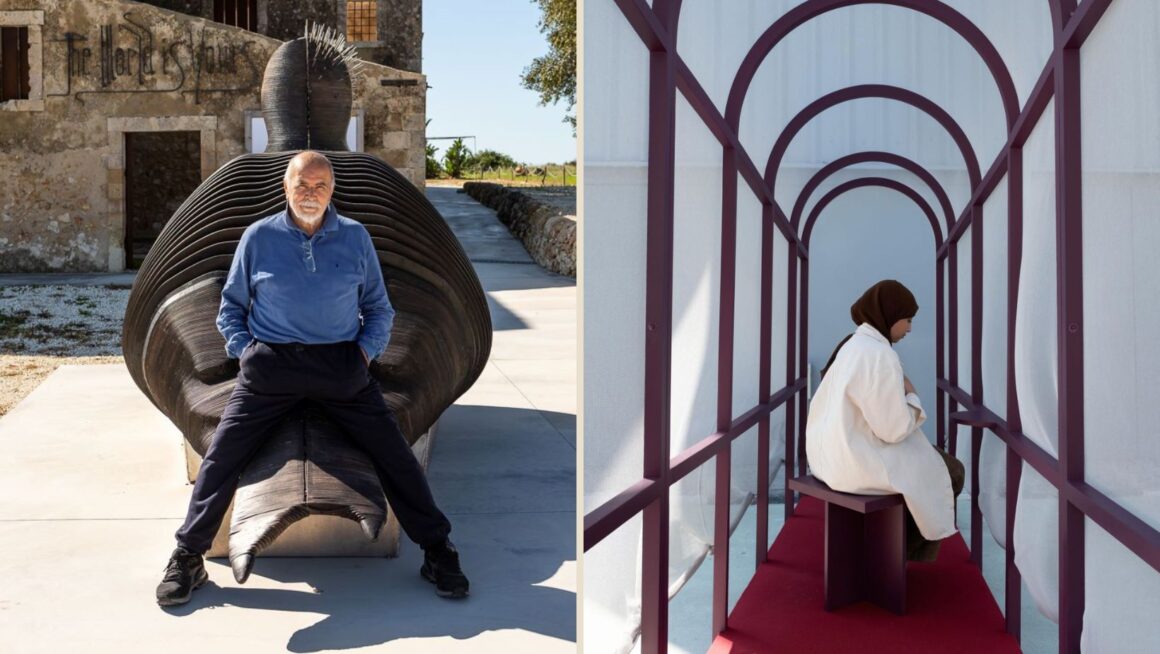
Now in its second iteration, Walk With Me is a series of four site-specific public art commissions curated by Zoé Whitley, encouraging slow looking and chance encounters with artworks across the avenue, each exploring fragility, resilience and public memory, drawing from a range of architectural influences. First is This Is Not Your Grave by Dima Srouji, confronting the ongoing genocide, and revealing the dissonance between architecture and its purpose when it can no longer protect us. Through a multi-part installation, the Palestinian artist evokes remembered fragments – bathtubs, staircases, tunnels – into makeshift shelters for people to enter, gather and find sanctuary.
Then there’s Thresholds of Perception: Redefining Balcony Spaces by Asma Belhamar, which pays homage to Dubai’s architectural history, specifically the balconies reminiscent of apartment buildings where communities converged. Through precise surface treatments, the balconies merge seamlessly into its environment, creating an optical illusion that challenges traditional perceptions of space and architecture. Elsewhere, Abbas Akhavan’s Stock: Variation on a Fountain riffs on Al Quoz’s past as an industrial district, using found materials from Alserkal’s long-term storage, here arranged into stockpiles as if awaiting their own transformation. Inspired by historical fountains, made of marble and stone, the installation remains true to these materials, inviting passersby to sit, linger and find respite within its benches and soothing water features.
Lastly, Roof/Structures by Vikram Divecha is an installation exploring themes of migration, aspiration and circulation. The artist collaborated with workers to construct improvised roof structures of bamboo, rope, and recycled billboard tarps which often find their way to reuse as shelter. Flipped and standing on their sides, this vertical cluster evokes a cityscape of aspiration and desire, the tentpoles of the global appeal of Gulf cities.
Majlis Talks
This edition of Majlis Talks, entitled Acts of Presence: Stories of Africa’s Creative Leaders will bring together alternative voices from Ghana, Ethiopia, South Africa, and Côte d’Ivoire, pushing against the margins of complacency and celebrating presence in all its forms. The programme features a series of discussions and demonstrations, including a performance by Kwame-Akoto Bamfo (founder of the Nkyinkyim Museum in Ghana), a reflection by multi-disciplinary artist Thania Petersen on her latest work that transforms Cape Town’s minibus taxis into moving galleries (thereby making art accessible to those often excluded from the traditional art world), and a showcase by textile artist Johanna Bramble (highlighting her efforts to preserve ancestral weaving traditions while intertwining heritage and contemporary expression).
Gallery Exhibitions
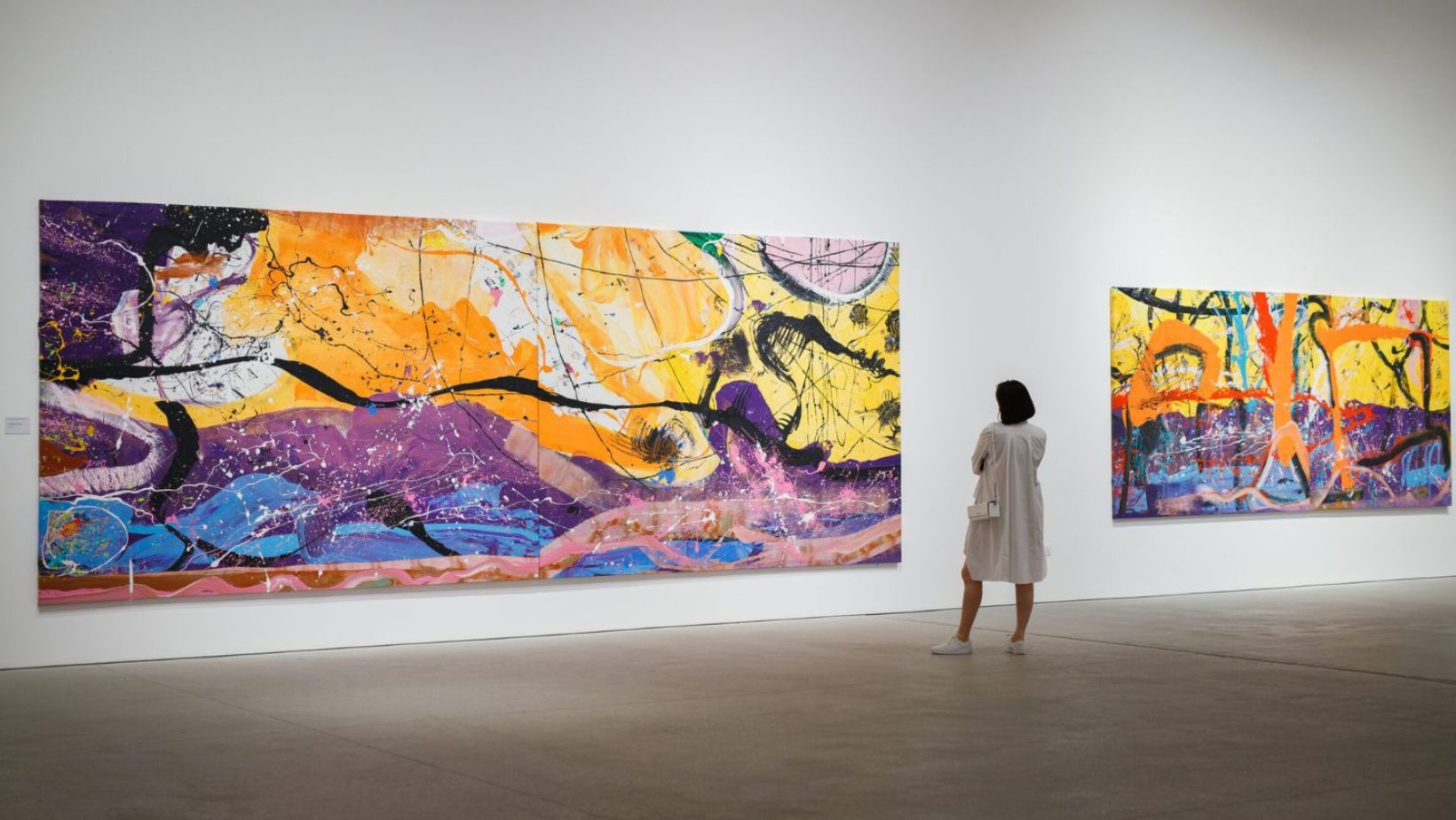
The week will feature a series of events and exhibitions across the Alserkal Avenue galleries. Highlights include Navigating Through Nothing by Thaier Helal at Ayyam Gallery, Superficial
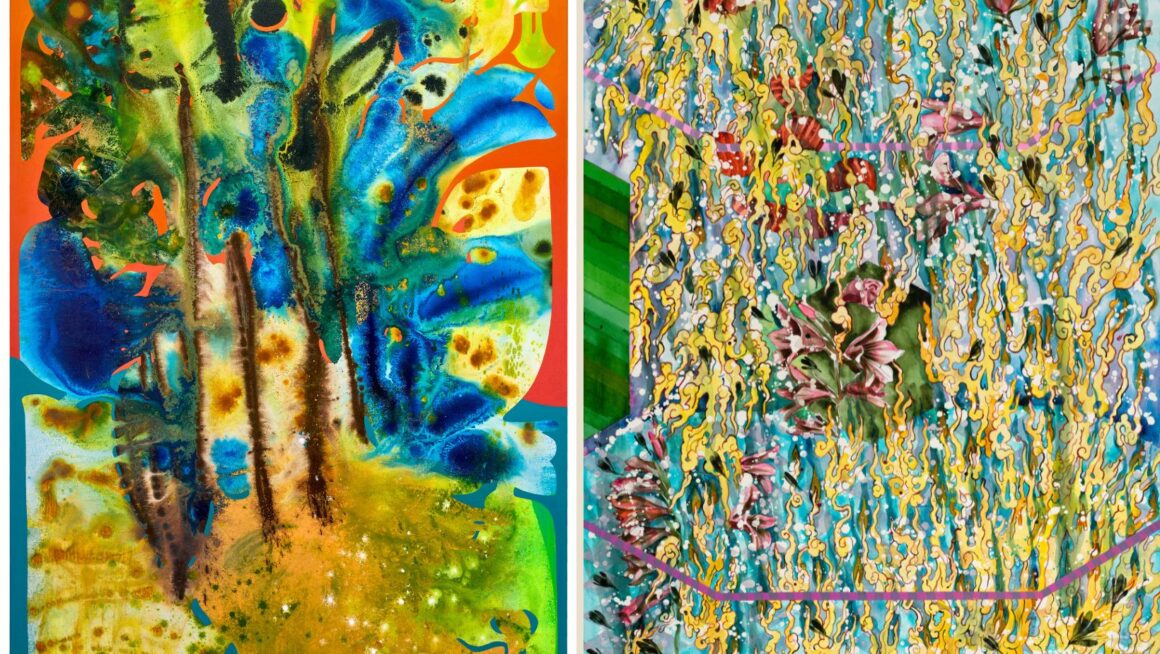
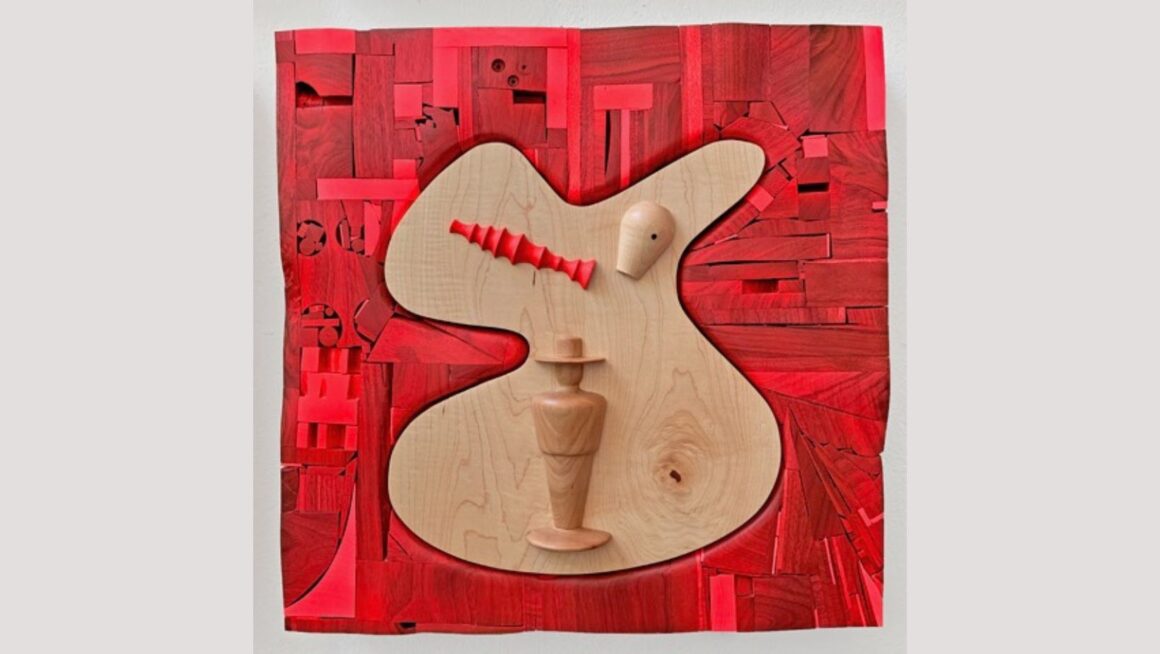
Transactions by Eman Al Hashemi at Aisha Alabbar Gallery, and What We See of Things is the Things by Edgar Orlaineta at Carbon 12. Other notable exhibitions include Photosynthetic Forms by Marc Quinn at Waddington Custot, Reinata Sadimba at Elmarsa Gallery (in collaboration with Perve Galeria), Astral Space Exploration: The Cosmic Renaissance by Kaikhan Salakhov at Firetti Contemporary, In Our Bones by Fariba Boroufar at Gallery Isabelle, and Chaouki Choukini at Green Art Gallery.
Research Convening
Domestic Departures: (Im)mobility, Loss, and Resilience in an Uncertain World features conversations and research displays from six of the Alserkal Arts Foundation’s Research Grantees 2022-24, challenging us to reconsider our relationships with our lives and landscapes amid slow ecocide and political violence. Through their diverse practices, the multidisciplinary practitioners (Khalda El Jack, Zainab Gaafar, Lubnah Ansari, Natasha Maru, Rhea Shah, and Maitha AlSuwaidi) will share research that employs experimental cartography, immersive installations, and independent zines to engage with these issues, creating a dialogue about (im)mobility, loss and resilience in our changing world.
Open Studios
The Alserkal Arts Foundation will open the studios of its fall residents, providing visitors with the opportunity to engage with their artistic practices. On the roster is Beirut-based sound artist Jad Saliba, Congolese writer and visual artist Sinzo Aanza, Mizoram’s academic researcher and mixed-media artist Thlana Bazik, and Mumbai-based filmmaker Pallavi Paul.
Guest Projects
Alserkal Art Week will also present two guest projects. Our Future(s), an immersive experience presented by the Dubai Future Foundation and Museum of the Future, invites visitors to contemplate our collective futures. Designed as a sanctuary of stillness, the installation engages audiences through key statements and delicate sound whispers, representing the uncertainties that shape our shared future. Dissuader: Art and Design, meanwhile, presents the unique work of Italian designer and artist Franco Perrotti. Central to the exhibition is Dissuader, a monumental allegorical pigeon sculpted from stainless steel and birch wood, symbolising the complex dynamics between humans and their environment, along with smaller reinterpretations crafted from various materials.
DSCVR: Alserkal Art Week. Alserkal Avenue, 17th Street, Al Quoz Industrial Area 1, Dubai. @alserkalavenue