Hiking, dining, street art, architecture — your trip to Thailand’s most popular island starts here.
Between the protests across the Canary Islands, a motorbike ban in Bali, and an entry fee imposed on day-trippers in Venice, it’s safe to say that locals everywhere are fed up with overtourism. No place on the planet, however, gets more tourists than Phuket. In fact, Thailand’s biggest island ranked at number one in a 2023 study on the world’s most overcrowded destinations, hosting a staggering 118 tourists for every resident. But who can blame them?
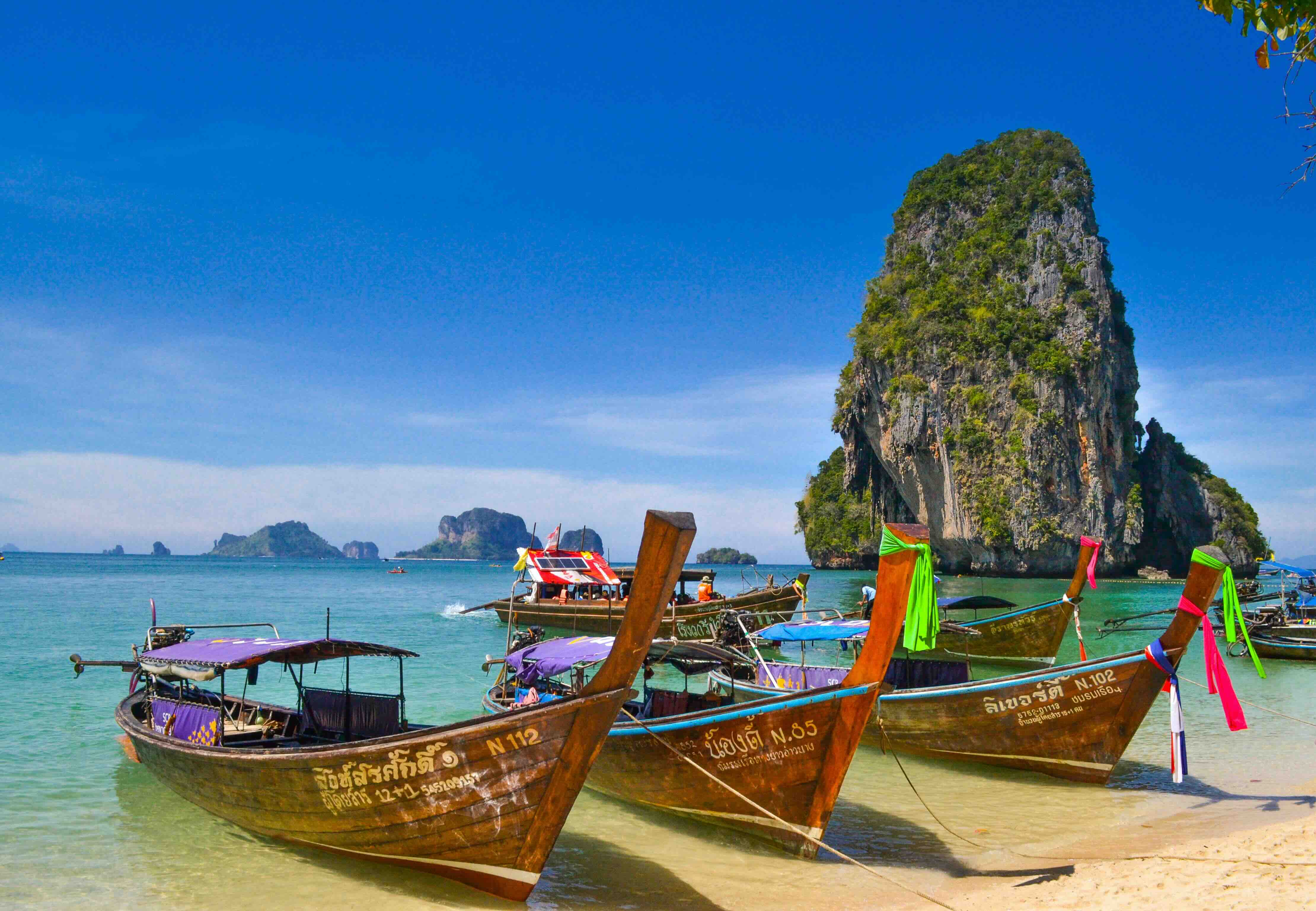
Phuket’s appeal spans so much more than its natural beauty — isolated stretches of white sand lapped by turquoise waters and gorgeous waterfalls concealed within miles and miles of lush, tropical rainforests. On the island awaits everything from gleaming spiritual sites and historic cultural landmarks to hidden hiking trails, lively night markets, and spice-laden dishes that prove why Thai cuisine is world-renowned. Incidentally, now’s the time to explore Phuket minus the crowds and peak pricing — while June and July are still part of the wet season, the rain comes in short bursts and is usually interspersed with bright, sunny periods. As for your itinerary? Read on.
Check into The Memory at On On Hotel
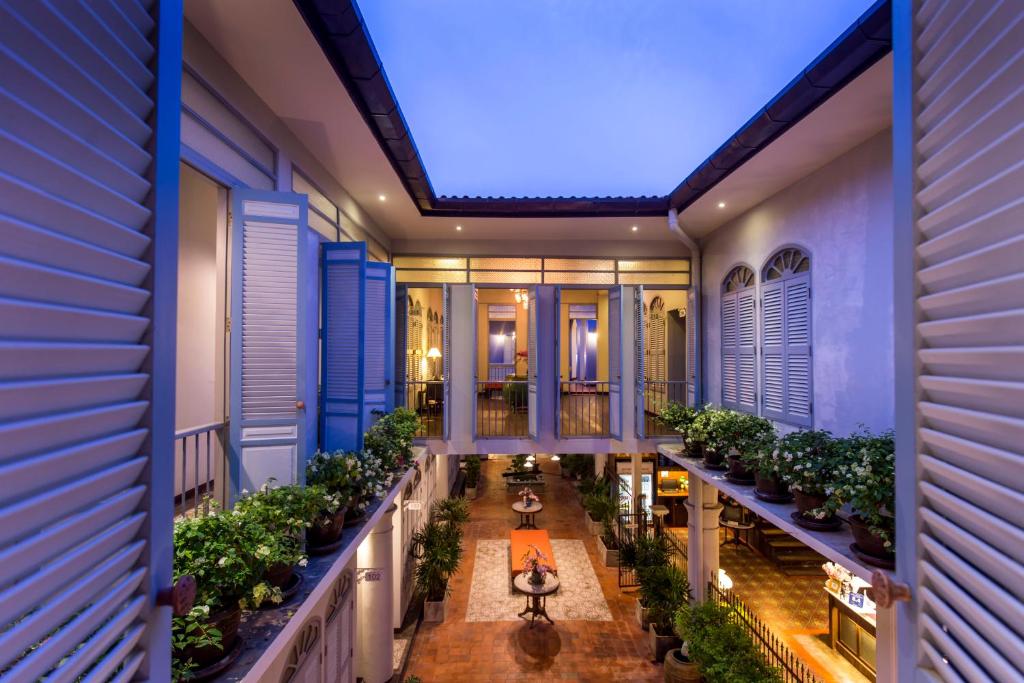
It’s not just about following in Leonard DiCaprio’s footsteps when you check into the island’s first ever hotel — his character in The Beach, Richard, stayed at this heritage property. Echoing what it was like to live in Phuket’s heyday, when the mining industry was thriving, The Memory at On On is the definitive example of Sino-Portuguese architecture, its fusion stuccowork and airy, central courtyard meticulously renovated to evoke a bygone era. Alongside, the likes of patterned tiles, vintage trunks and old photographs add to its inimitable ambience.
Dine at a Bib Gourmand restaurant for cheap
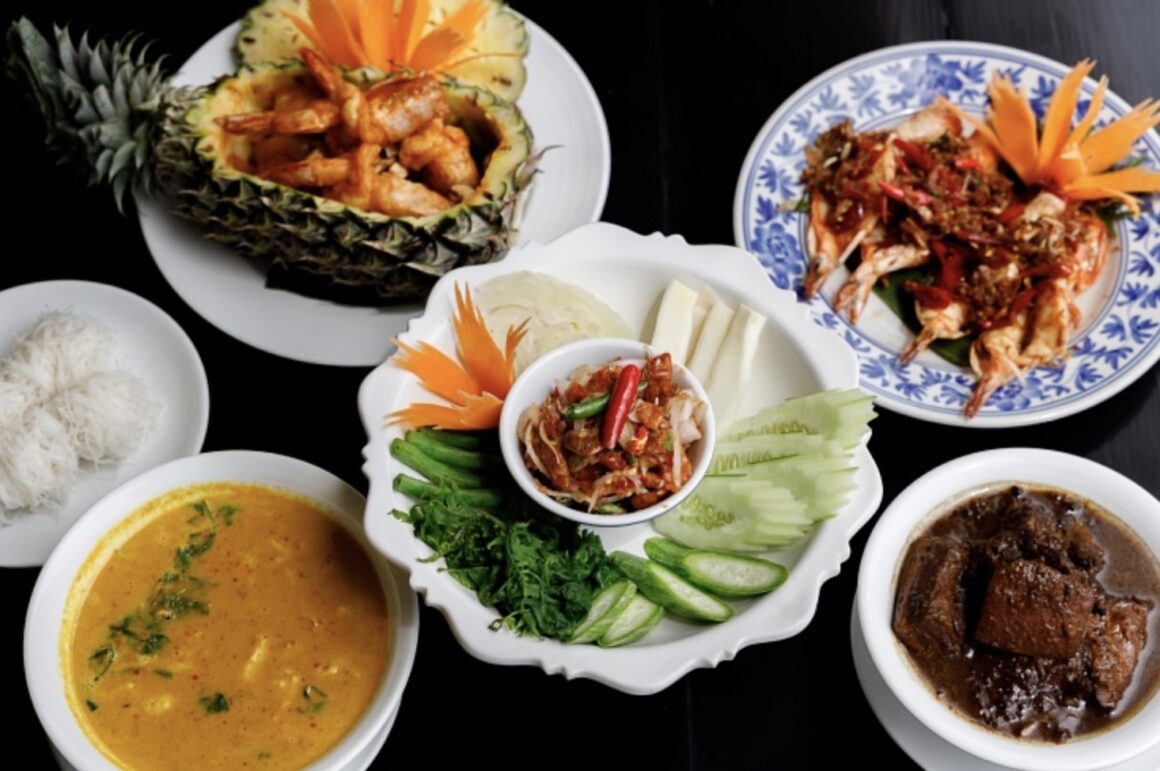
Only in Phuket can you dine at street food stalls and modest family-run joints lauded by the Michelin Guide, feasting on everything from stir-fried Hokkien noodles and flaky roti to dry rice porridge topped with crispy shallots. Seafood enthusiasts should make a beeline for One Chun, a Bib Gourmand eatery set in a colonial-style building, for its creamy, decadent crab curry that’s served with rice vermicelli and has foodies queuing up at the door. Take note: One Chun only accepts cash, but its signature dish will barely set you back AED 37.
While away the evening at a buzzy night market
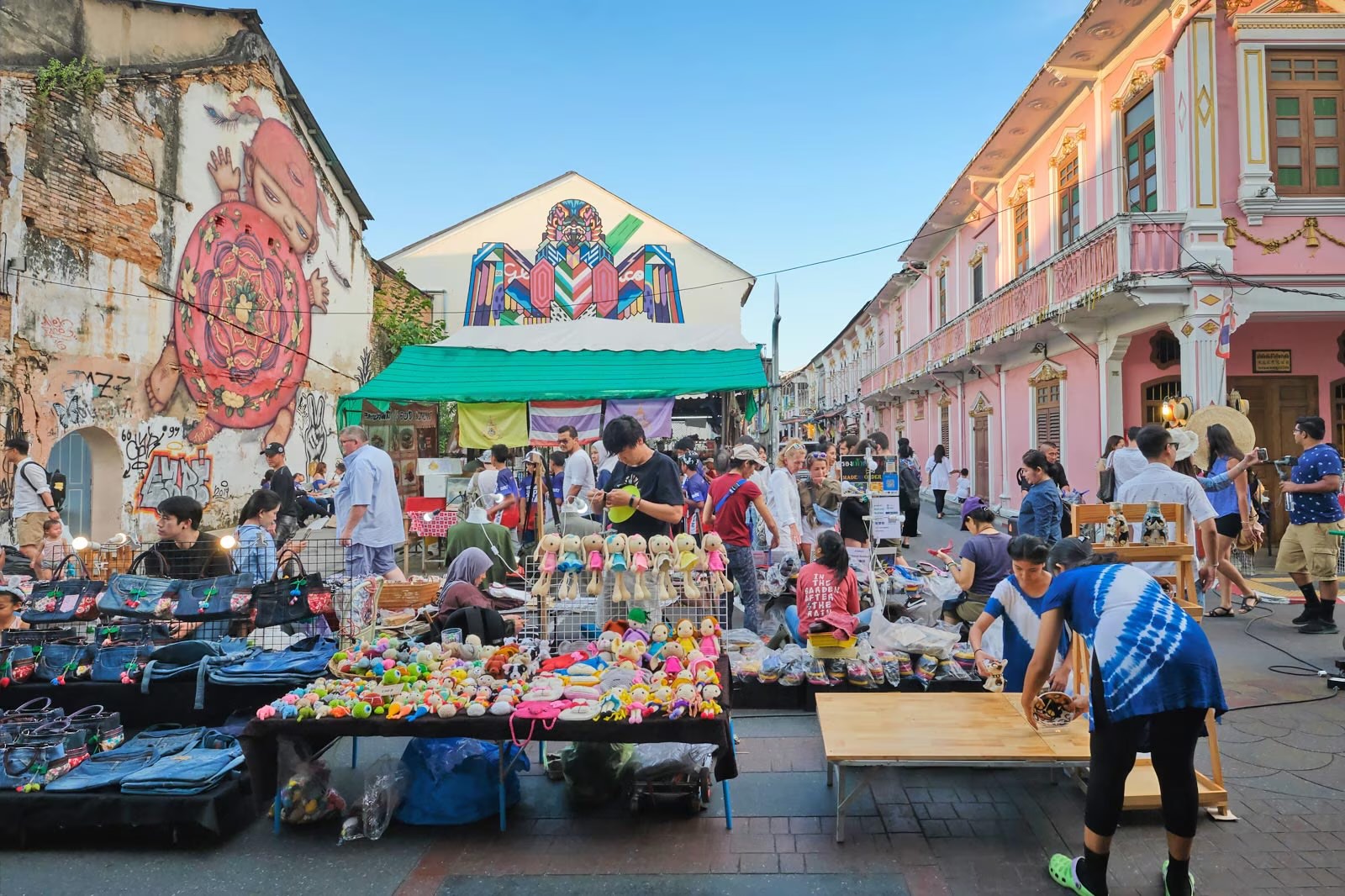
Loud, cheap and cheery, the sprawling night markets of Southeast Asia are considered a cultural phenomenon, and those in Phuket are no exception. Our vote goes to the always bustling Phuket Walking Street market, which kicks off at 4pm every Sunday on Thalang Road, the main central street of the island’s charming Old Town. This is where you can sample skewered meats and shaved ice desserts, buy herbal concoctions and designer knockoffs, and even glance into your future by way of a palm reading as unplugged bands belt out oldies but goodies from the 1980s.
Take in the street art that adorns Phuket Old Town
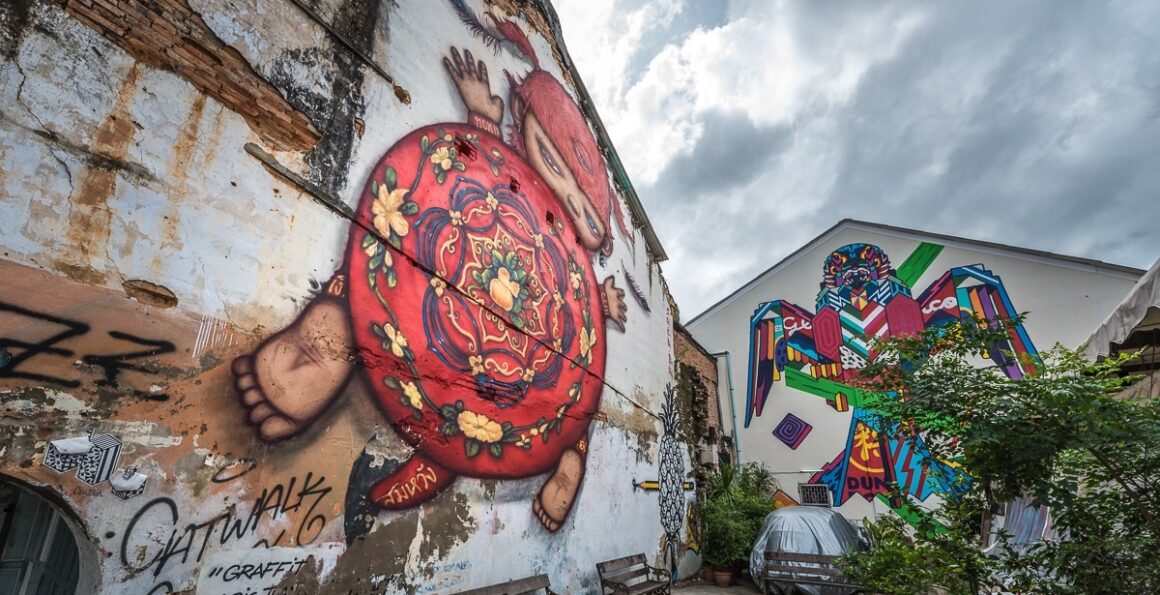
Considering their shared heritage, Phuket and Penang are sister cities, and it’s not just a history of tin mining and Chinese immigration that have shaped the two islands. While Penang is known as the street art capital of Asia, Phuket isn’t far behind, with its brightly coloured murals greeting passersby along Thalang Road, Krabi Road, and Soi Romanee. They’re easy to spot if you’re willing to meander, but those pressed for time can book a walking tour through Klook, learning more about local street artists with the help of a guide.
Explore a fishing village that’s built on stilts
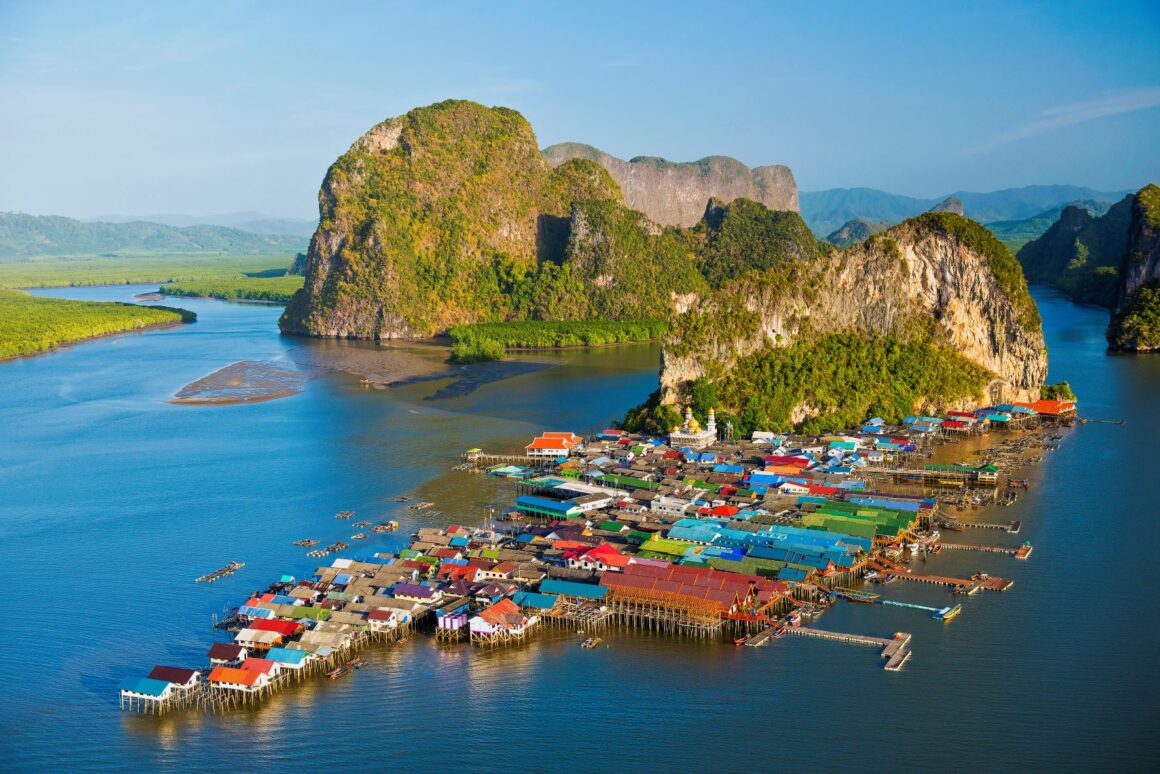
While most tourists venture northeast to Phang Nga Bay, sailing around the majestic limestone cliffs that rise dramatically from its emerald-green waters, few ever make it to the largely unknown village of Koh Panyee, much to their detriment — this fascinating Muslim community has managed to self-sustain since Javanese fishermen built it on stilts more than 200 years ago. Be sure to look past the glaring poverty in order to truly see its inherent resilience. A mosque, a health centre, a school, and several shops and restaurants aside, it’s home to a floating football pitch that you have to see to believe.
Join a spiritual experience inside a sea cave
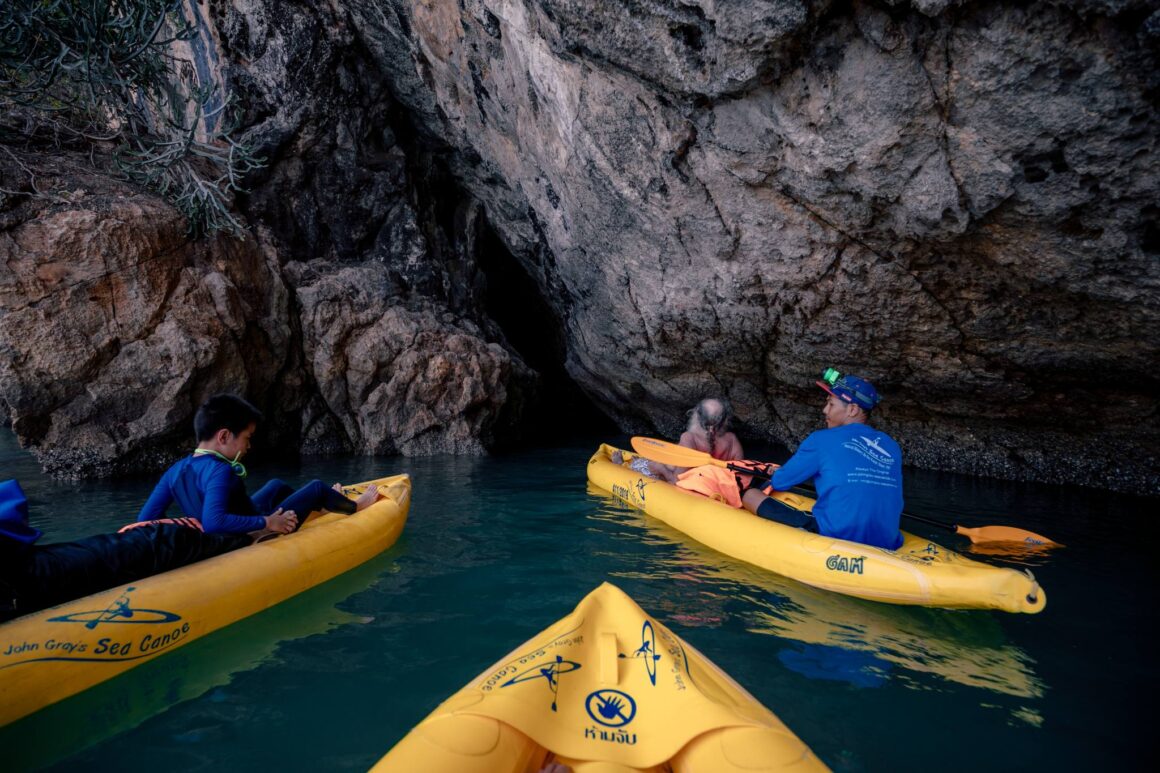
Another unique excursion to Phang Nga Bay comes courtesy of John Gray’s Sea Canoe, an ethically minded company founded by environmentalist John “Caveman” Gray, who has called Phuket home for over 40 years. Dubbed Hong By Starlight, this aquatic adventure spans swimming, canoeing and wildlife-spotting in the shadow of towering karsts before entering a sea cave after dark, where you can experience a traditional Loy Krathong ceremony, releasing floating lanterns in the company of bioluminescent plankton that light up the water like a starry sky.
Immerse in Peranakan culture at Chinpracha House
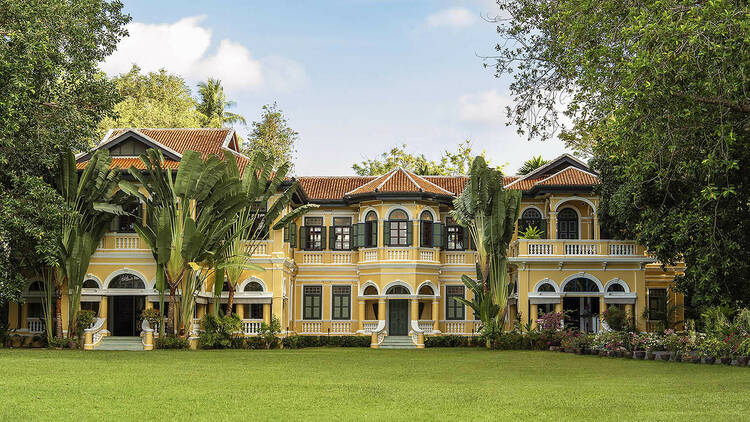
Most prominent in Phuket’s multicultural history are the Chinese, whose influence is palpable in countless aspects of its identity. Staking a claim to the tin mining fortune of the 1800s, they migrated to the island and married locals, creating the fascinating Peranakan community in the process. Today, you can peek into their way of life at Chinpracha House, a beautifully preserved mansion where time seemingly stands still and, if you’re lucky, the sixth-generation descendants of the original owner will walk you through its historical details — a koi pond, tiffin food carriers, ancestral garments and more.
Stroll with rescued elephants at an ethical sanctuary
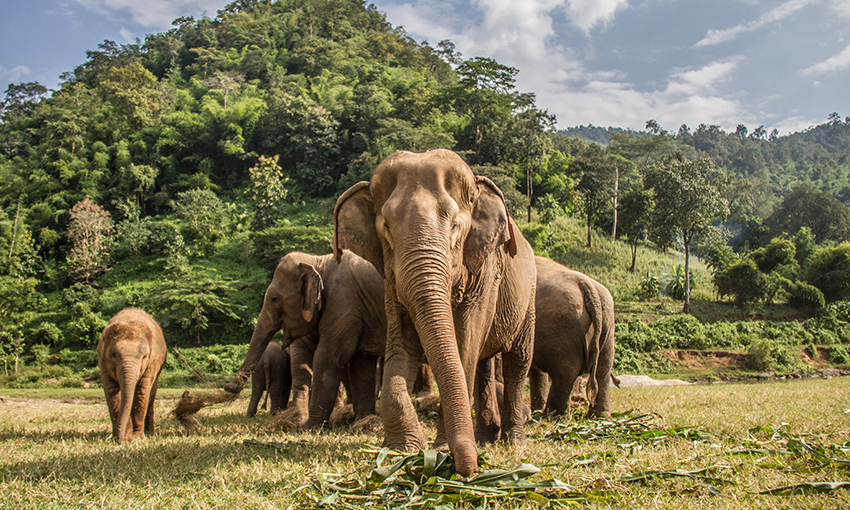
There’s no shortage of horror stories around elephant sanctuaries across Thailand, and rightfully so — many are notorious for their unethical practices, capturing baby elephants from the wild and using force to control their interaction with tourists. One exception, however, is Phuket Elephant Nature Reserve, an accredited and ethically operated place of refuge that maintains the well-being of its rescued residents: Bow, Thonglor, and Lotus. Riding is not on the roster, nor are performances. Instead, you’ll help feed the gentle giants before accompanying them on a leisurely, slightly muddy, stroll through the forest.
Hike to the island’s most iconic landmark
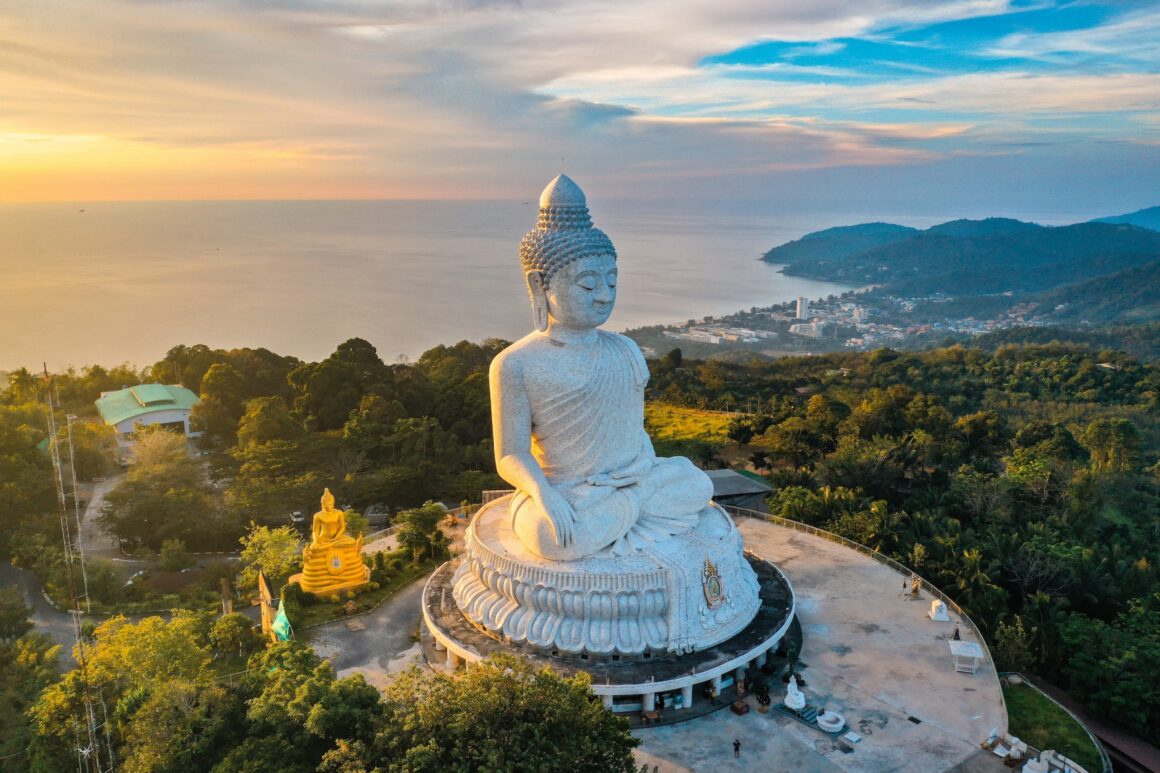
A contrast to the quaint, pastel-hued streetscapes of Phuket Old Town is the impressively ivory Big Buddha that’s constructed entirely of alabaster. At 45 metres in height atop Nakkerd Hill, it not only offers sweeping views of Chalong Bay, but also manages to dwarf just about everything in its surroundings. Those looking to generate an adrenaline rush on the way to this landmark can book the Big Buddha Jungle Trek by CC’s Eco Tours. You’ll hike through the green slopes of Kata, taking on a challenging trail and making a pit stop to refuel with tropical fruit before finding yourself at the base of this gleaming site.