Are we finally over the crowds and tourist prices in Paris, Rome, Athens and Amsterdam?
We started the year by advocating for the likes of Liverpool, Sapporo, and Quebec City for one simple but very significant reason: the detrimental impacts of overtourism are becoming impossible to ignore, particularly in a post-COVID world. The issue is especially heightened in Europe, where anti-tourist sentiments are at an all-time high and the fight against overcrowding is being stepped up as we speak. And while the culinary and cultural appeal of tourism hubs such as Paris and Rome are undeniable, we say it’s high time that some of Europe’s most underrated cities land on the radars of travellers from the Middle East. Here are our picks.
Coimbra, Portugal
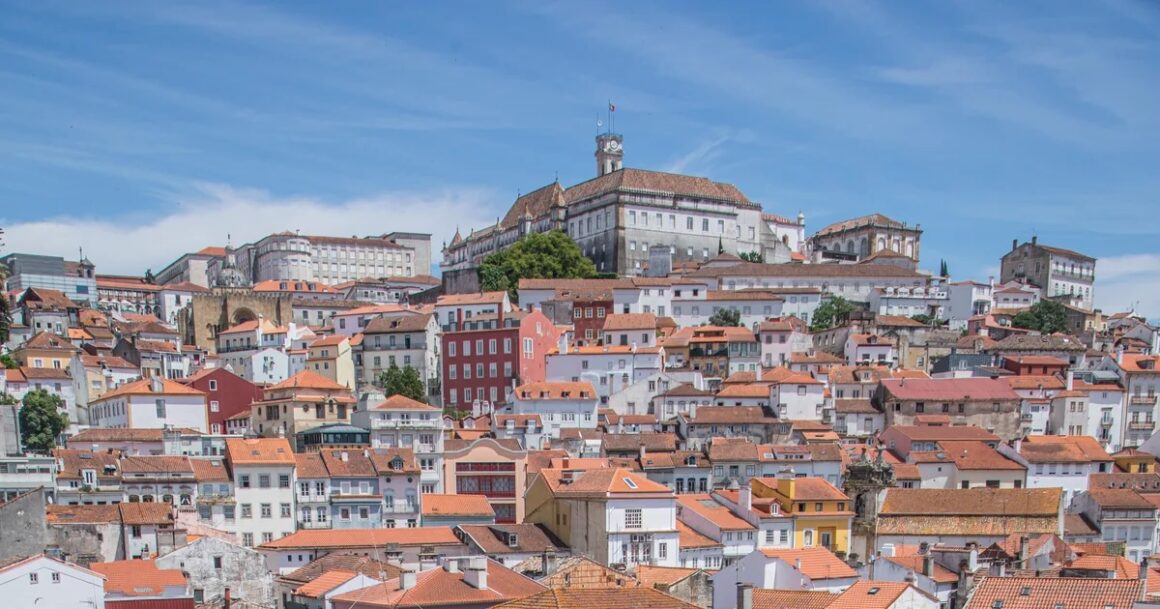
With Lisbon and Porto perpetually stealing the spotlight, most visitors never even make it to the visually stunning city of Coimbra, much to their detriment. Home to Coimbra University, it draws bibliophiles eager for a glimpse of the Baroque grandeur and 200,000 books at Joanine Library. And while a visit to this storied library is rightfully one of the most popular attractions (book early as it often sells out), there’s plenty more to enjoy — sprawling gardens, fado concerts with a literary twist, cheap eats at traditional tascas, and architectural marvels such as Sé Velha and Monastery of the Holy Cross.
Gdańsk, Poland
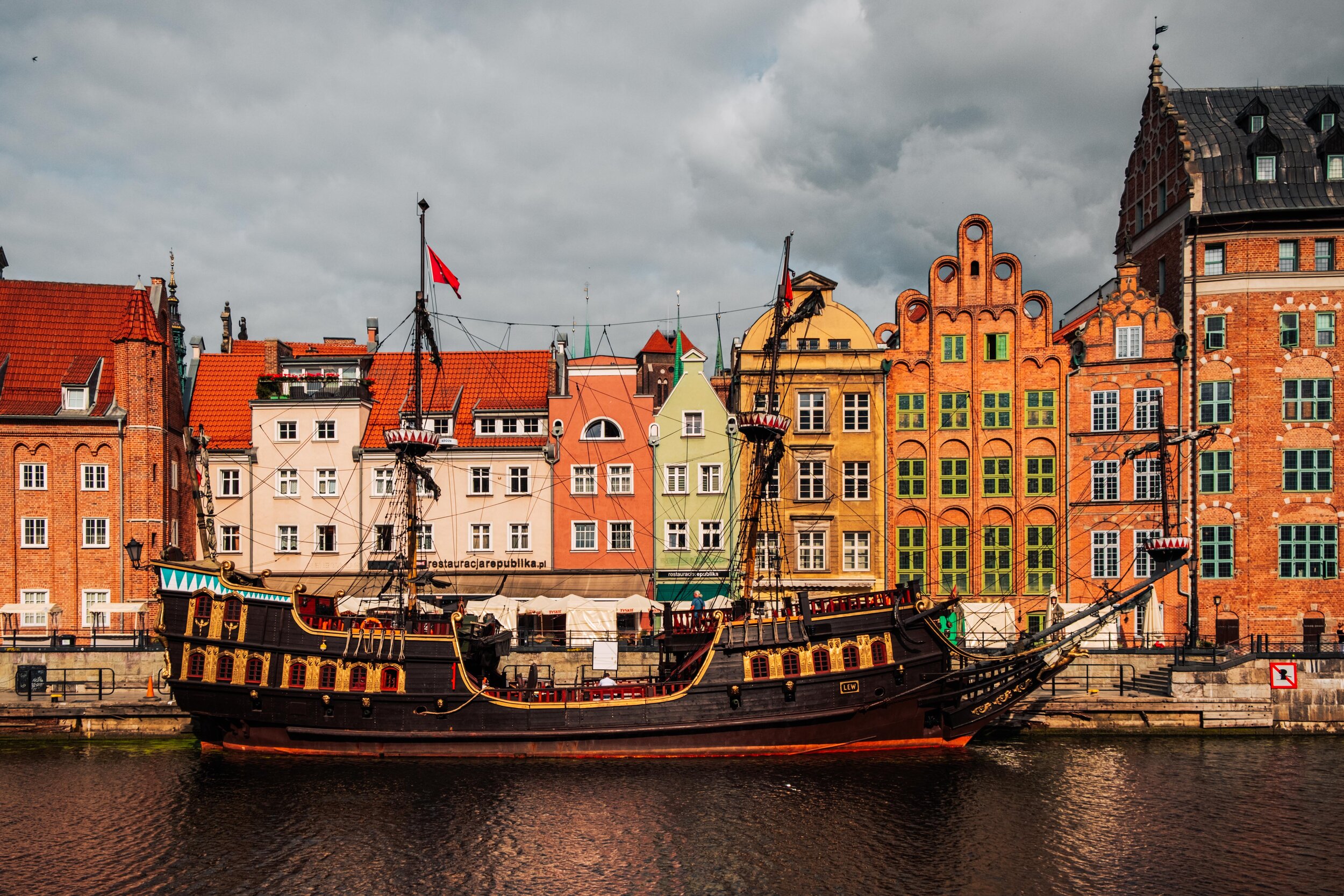
Taking up residence on Poland’s Baltic Coast, Gdańsk is a beautiful port city in which centuries of history seamlessly meet vibrant cultural venues and a burgeoning dining scene rooted in regional specialities. The striking architecture is also only a major part of its appeal; you’ll walk along cobblestone streets lined by rows and rows of narrow, brightly coloured houses with a dark backstory that dates back to Nazi Germany. Be sure to book a stay in Gdańsk’s Old Town for easy access to Gothic churches, atmospheric markets, and amber workshops. Above all, this overlooked gem is best known as the site where the world’s greatest conflict began, so a visit to the poignant Museum of the Second World War is a must.
Genoa, Italy
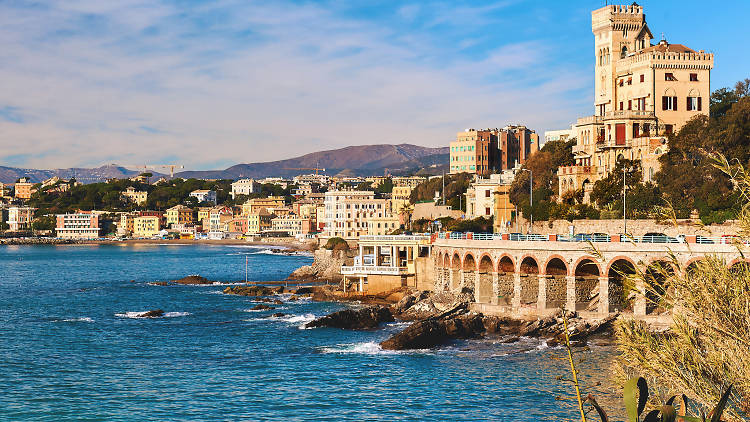
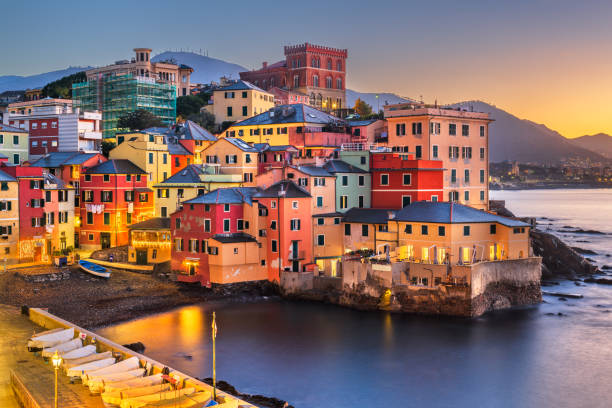
Another port city with a maritime heritage, Genoa stands in the shadows of Florence, Rome and Venice, only to charm those who give it a chance, foodies in particular. Not only is it the birthplace of pesto, but it’s also famed for its street food scene. Focaccia with every topping imaginable takes centre stage, as do stuffed eggplant and fried anchovies. Nestled between two mountain ranges (Alps to the north, Apennines to the south) and the Mediterranean Sea, Genoa is notoriously hilly, but its network of funiculars, rack railways, and public elevators offer respite to tired legs. We recommend taking a ride up to visit D’Albertis Castle before exploring the botteghe storiche, a series of historic shops and artisans workshops that have been active for at least 70 years.
Innsbruck, Austria
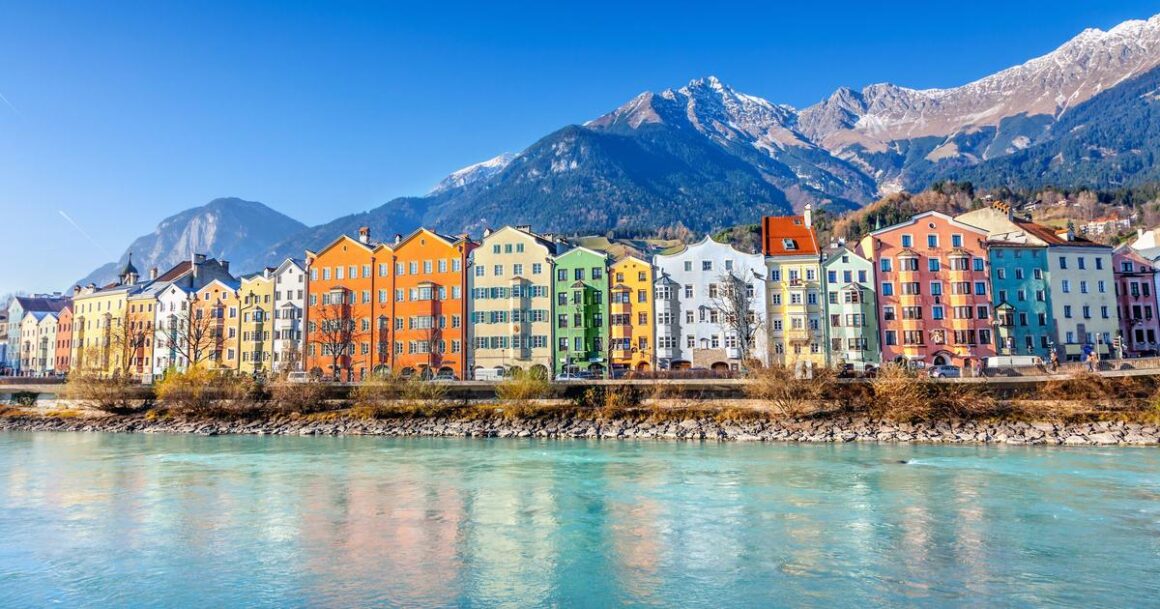
Small but mighty, Innsbruck is a city that has long been associated with winter sports, but deserves a spot on this list for its many attractions, especially for outdoorsy types. Hiking enthusiasts, for starters, will be spoiled for choice — not only is Innsbruck surrounded by a wide variety of trails, but those with little experience or lower fitness levels can also join the alpine fun thanks to the region’s lifts and cable cars. Hate hiking? You can take the Nordkette cable car from the city centre to Austria’s largest nature park in minutes, marvel at competitive skiers performing jumps at the Bergisel Ski Jump designed by Zaha Hadid, escape to the dazzling crystalline world of Swarovski Crystal Worlds, or enjoy traditional delicacies and achingly fresh produce at Markthalle.
Ljubljana, Slovenia
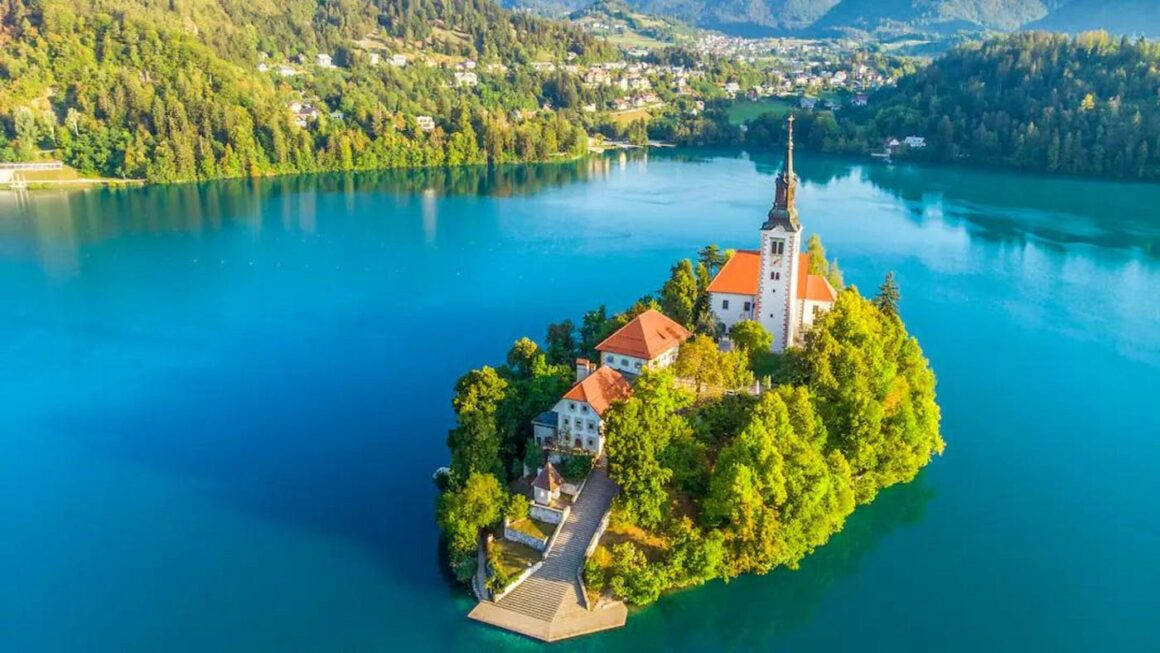
Slovenia’s capital may be small and low-key, but it’s also easily walkable and full of both natural and manmade attractions. And then there’s the contrast between its charming Old Town and alternative vibe — the former military barracks of Metelkova, for example, is where the city’s best artistic events and nightlife spots await. Green spaces dominate Ljubljana, and the city centre has been closed to cars since 2008, so rent a bike to explore the lively cafés, specialty boutiques, and architecturally interesting bridges that make Ljubljanica River one of its most notable landmarks. And when a day trip is in order, travel to the picturesque Lake Bled and ride a traditional wooden pletna boat to the Church of the Assumption of Mary.
Tartu, Estonia
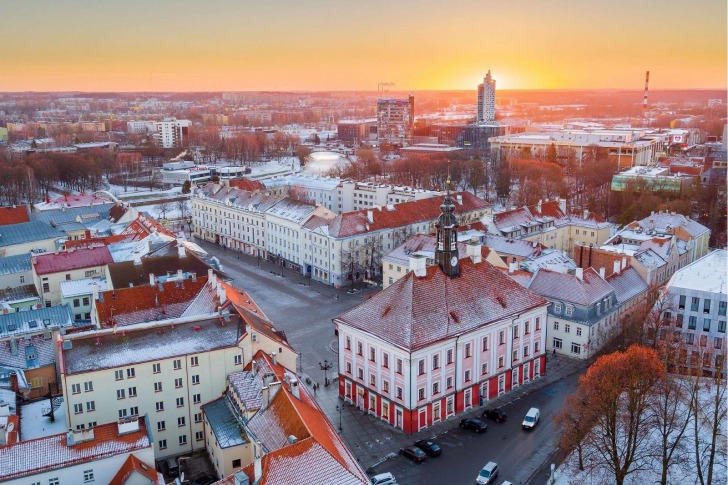
Estonia’s second biggest city isn’t just criminally underrated — it’s a European Capital of Culture 2024, too. Less crowded than the capital of Tallinn, it lures the lucky few with its leading museums, experimental art centres, gothic ruins, a 200-year-old botanical garden, and youthful energy thanks to the highly respected University of Tartu. And like other cities in this selection, the Old Town holds secrets and interesting spaces aplenty within its narrow pedestrian streets, so take a guided walk and discover Tartu’s medieval heritage and quirky attractions such as the Leaning House with the help of an insider. Factor plenty of time for festivals and al fresco events into your itinerary as well. Everything from street art to sustainable fashion and folk dancing is celebrated come summer.