Residents of Dubai will have the benefit of a 64km green corridor to enjoy as part of a bold new plan
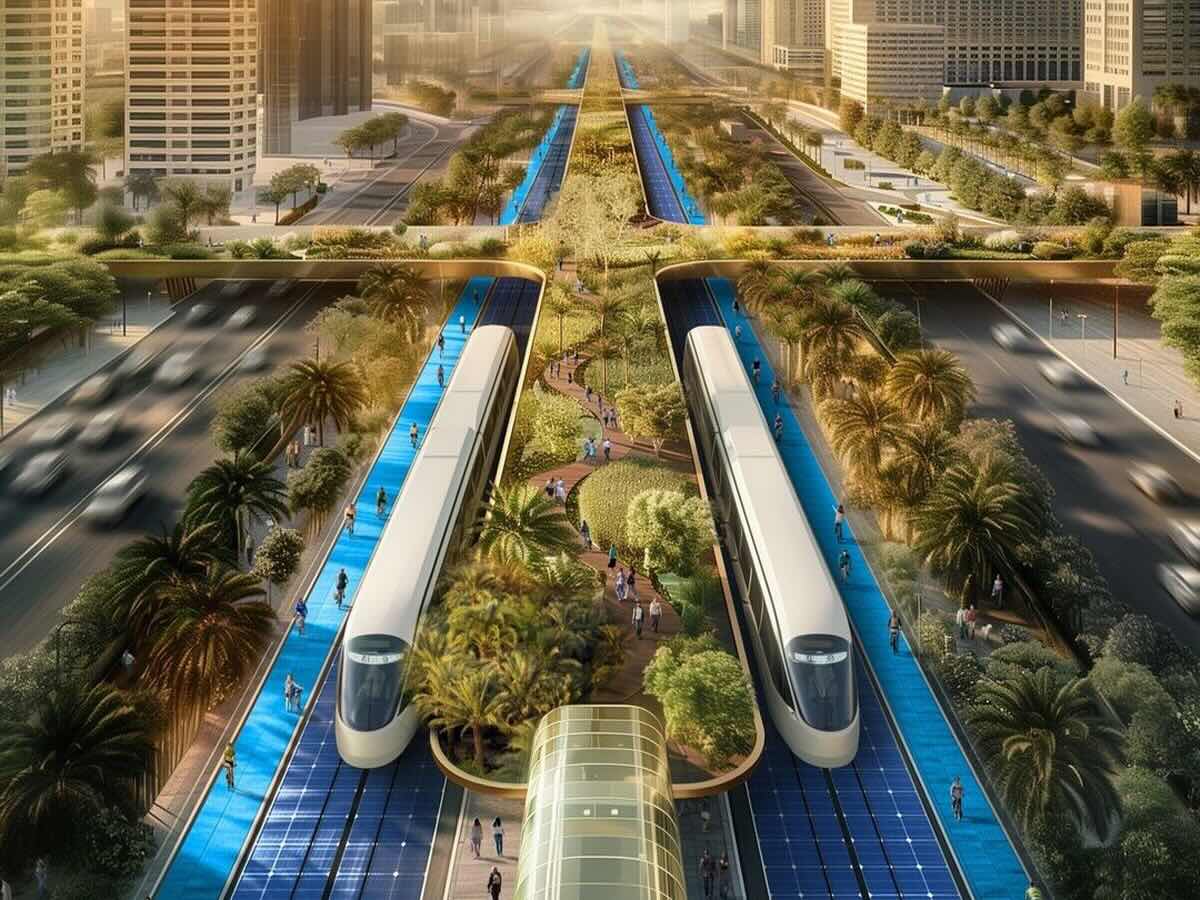
A large stretch along Sheikh Mohammad Bin Zayed Road (E311) will be transformed into a sustainable corridor and will promote a shift from car dependency to more sustainable transport modes.
This means extensive pedestrian and cycling paths will be built, making these spaces perfect for walking and biking.
Called the ‘Dubai Green Spine’ it will include solar-powered trams and a 300-megawatt solar energy system.
The green highway is in line with the Dubai 2040 Urban Master Plan and will accommodate Dubai’s expected population expansion.
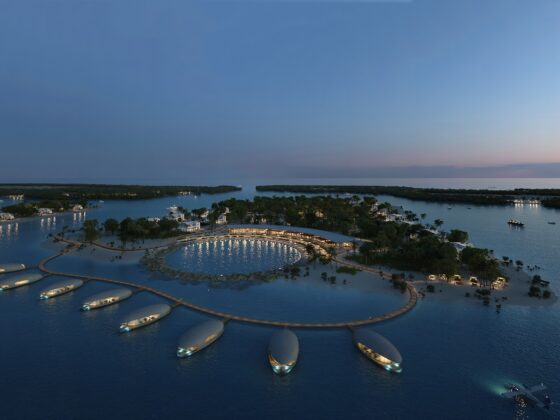
The Dubai Green Spine project is designed by URB, the same planners behind pioneering projects such as the Dubai Reefs Project, Dubai Mangroves and The Loop.
The aim of a continuous green line is to knit together diverse neighbourhoods, while educational, recreational, and cultural programmes along the Spine will help to engage communities.
URB told dscvr.ae that “there will be a mix use of assets to cater for various community needs, some of which will include F&B.” This could include restaurants, coffee shops and fast-food outlets.
Along with the Green Spine, Dubai is on a quest to become a bicycle-friendly city.
The Roads and Transport Authority (RTA) has already announced its own plans to build a track tailored for bicycles, scooters and pedestrians.
This will increase the overall length of Dubai’s cycling tracks from the current 544 km to 1,000 km by 2030.
This expansion will connect coastal areas like Jumeirah, Al Sufouh, and Marina to external tracks at Al Qudra, Seih Al Salam, and Nad Al Sheba via Al Barsha, Dubai Hills, and Nad Al Sheba.
DSCVR: ‘World’s greenest highway’ being built in Dubai. @urbplanning